
Product Description
Products Details
| Product Name | Drive shaft forgings |
| Main Process | OEM Precision CNC Machined Brass Hot Forging Valve Fittings Custom Brass Forgings Machining Parts CNC Machining PartHot Forging, Cold Forging, CNC Machining |
| Material | Carbon Steel, Stainless Steel, Aluminum Alloy Or according to customer requirements |
| Forging Weight Range | 10gram – 200kgs |
| Surface Finish | Pickling, Passivation, Sand-blasting, Shot-blasting, Electro-polishing, Buffing, Mirror-polishing, Zinc/Chrome Plating, Anodizing,Powder Coating,Electrophoretic painting etc. |
| Machining Process | CNC Machining/ Lathing/ Milling/ Turning/ Boring/ Drilling/ Tapping/ Broaching/Reaming |
| Machining Tolerance | 0.01mm-0.05mm |
| Heat Treatment | Solution, Annealing, Quenching, Tempering, Aging, etc. |
| Special Treatment | Hardening, Vacuum Impregnation, etc. |
| Special Inspection | Leakage test, Shell Strength test, Radiographic test, Ultrasonic test, Magnetic test, Liquid penetration test, Salt spray test, etc. |
| Application | Petrochemical industry |
| Lead time | 35 days for mold and samples, after confirmation of samples, mass production time is 25 days |
| Small Quantity | Is acceptable |
| Quality Control | Full Inspection |
Specification
| item | value |
| Place of Origin | China |
| Brand Name | |
| Model Number | ANY TYPE |
| Model | Customizable |
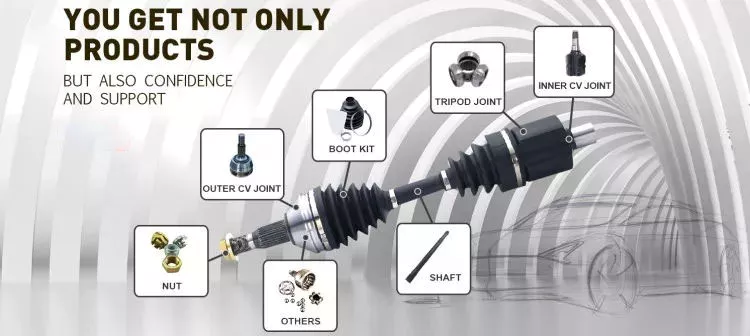
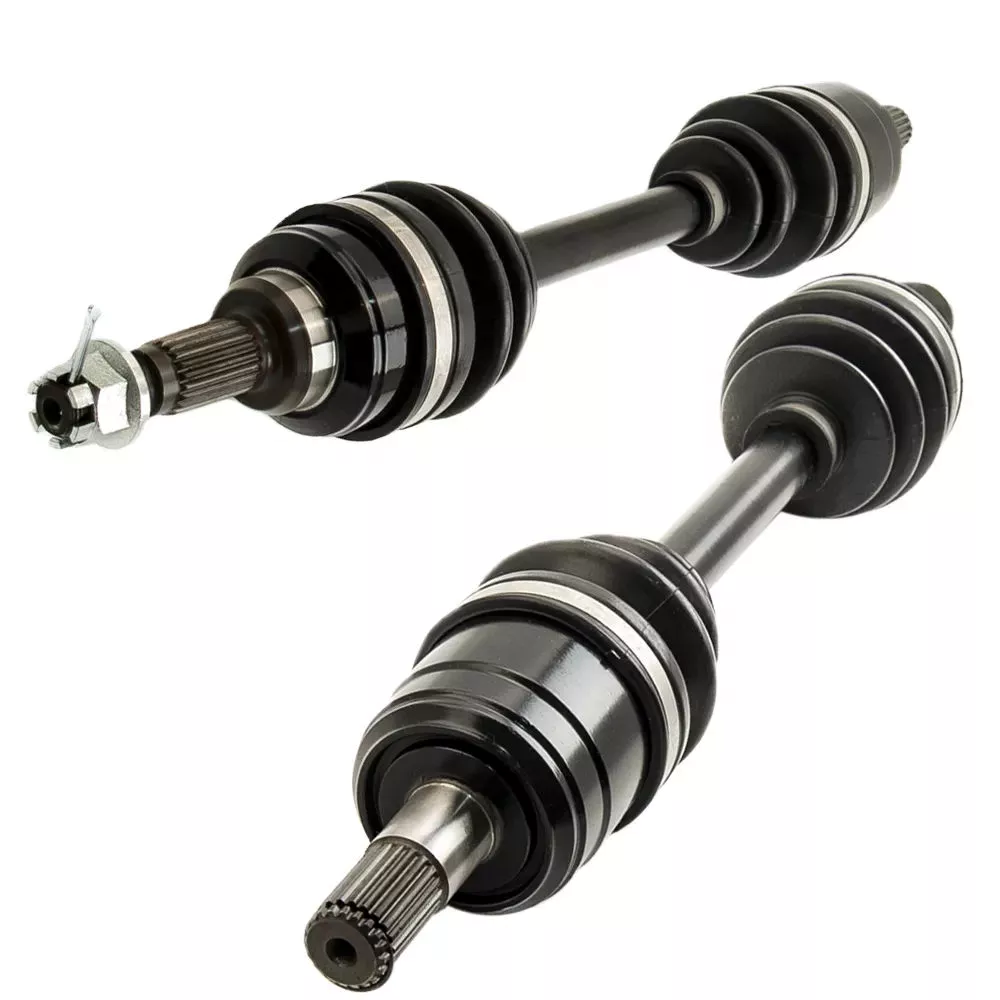
| Name | Driving shaft with high precision |
| Material | Carbon steel |
| Color | According to customer requirements |
| Shape | Accoring to the drawings |
| Characteristic | steel product |
| MOQ | 1000pcs |
| Keyword | Forging |
| Lead Time | 25~45 Days |
| Dimensions | Customers’ Requiry |
OUR BUSINESS SCOPE
Product application
Metal parts can be used for car, truck, elevator, refrigerator, furniture, medical instruments, other mechanical equipment, control cabinet, ventilation equipment, construction industry, wind power industry, solar industry and so on.
Product include
varieties of metal forging parts, metal press forging parts, metal welding parts, metal deep drawing parts, metal punch parts, laser cutting parts;
CNC parts, CNC machining parts, Metal chassis, metal cabinets, metal cases, metal enclosures, metal auto parts,
Metal sleeve, tube, pipe, spacer, metal bracket, bumper bracket, shackle, Radiator Block, door hanger, bar pin,
Material available
Carbon steel, Stainless steel, Spring steel, Aluminum, Aluminum alloy, Galvanized steel and so on.
Surface treatment available
polishing, grinding, brush, zinc plating, powder coating, blackening (black phosphate and light oil dip), E-coating (electrophoresis), anodizing, nickel plating, chrome plating, anti-rust oil, etc.
Metal processing available
Forging parts: tooling making, samples approval, forming, bending, tapping, welding, assembly & finishing.
CNC parts: CNC lathe milling, CNC lathe turning, drilling, tapping, finishing & assembly.
Specification
OEM, according to customer’s drawing or sample
Tolerance
Forging parts:0.01-0.1mm, CNC machining parts:0.1-0.002mm
Service available
Before mass production, we supply pre-production samples for customer final confirmation, tooling maintenance and tooling slight change free
Certificate
ISO9001:2009
ZheJiang Duanhuang industry Co., Ltd. is located in HangZhou, China. HangZhou, the ancient capital, is a world famous historical and cultural city. It is also an important industrial city in China. Many CZPT national scientific research institutions are established here, providing key technical support and services for the development and improvement of the industrial chain. The main business of our company is industrial product design, auto parts design and production, other mechanical parts design and production, titanium alloy material and its products research and development production, CZPT products research and development production, the company has a complete mechanical parts design and production process supporting process, is a professional machinery parts supplier.
The company has complete hardware supporting facilities, and the hot-die forging press models are 300T, 400T, 630T, 1000T, 1600T, 2500T, 4000T, 8000T and other different tonnage forging presses, which are suitable for the production of products from 0.1 kg to 200 kg. The cold forging machine has 4 hydraulic presses, which can produce cold forging products from 0.01 kg to 20 kg. The products can be made of carbon steel, alloy steel, copper forgings, aluminum forgings, stainless steel, titanium alloy and so on. The company′s products are mainly used in automobile industry, construction machinery industry, railway locomotives, power fittings, mining machinery and other industries. The company′s main customers are China CZPT group, China ZheJiang automobile group, China locomotive group, China yituo,and so on.
The quality control equipment of the company includes flaw detector, hardness tester, spectrometer, metallographic analysis, tensile test, coordinate measuring instrument, etc. The company is engaged in the industrial product design and production for 20 years, has accumulated the rich industry experience. The company undertakes customized OEM services for processing of incoming drawings and samples, and can complete all processes including 3D modeling design, mold design and production, product forging and pressing, heat treatment of forgings, and machining. Our company has an independent industrial design service center and a professional industrial design service team, which provides strong technical support for technological innovation of enterprises. The company has special metal products design and development, manufacturing and production services. Titanium alloy products and industrial CZPT products developed and produced by the company are widely used in machinery manufacturing industry and other related fields.
/* January 22, 2571 19:08:37 */!function(){function s(e,r){var a,o={};try{e&&e.split(“,”).forEach(function(e,t){e&&(a=e.match(/(.*?):(.*)$/))&&1
| Material: | Carbon Steel |
|---|---|
| Load: | Drive Shaft |
| Stiffness & Flexibility: | Stiffness / Rigid Axle |
| Journal Diameter Dimensional Accuracy: | IT6-IT9 |
| Axis Shape: | Straight Shaft |
| Shaft Shape: | Real Axis |
| Samples: |
US$ 20/Piece
1 Piece(Min.Order) | |
|---|
| Customization: |
Available
| Customized Request |
|---|
How do drive shafts ensure efficient power transfer while maintaining balance?
Drive shafts employ various mechanisms to ensure efficient power transfer while maintaining balance. Efficient power transfer refers to the ability of the drive shaft to transmit rotational power from the source (such as an engine) to the driven components (such as wheels or machinery) with minimal energy loss. Balancing, on the other hand, involves minimizing vibrations and eliminating any uneven distribution of mass that can cause disturbances during operation. Here’s an explanation of how drive shafts achieve both efficient power transfer and balance:
1. Material Selection:
The material selection for drive shafts is crucial for maintaining balance and ensuring efficient power transfer. Drive shafts are commonly made from materials such as steel or aluminum alloys, chosen for their strength, stiffness, and durability. These materials have excellent dimensional stability and can withstand the torque loads encountered during operation. By using high-quality materials, drive shafts can minimize deformation, flexing, and imbalances that could compromise power transmission and generate vibrations.
2. Design Considerations:
The design of the drive shaft plays a significant role in both power transfer efficiency and balance. Drive shafts are engineered to have appropriate dimensions, including diameter and wall thickness, to handle the anticipated torque loads without excessive deflection or vibration. The design also considers factors such as the length of the drive shaft, the number and type of joints (such as universal joints or constant velocity joints), and the use of balancing weights. By carefully designing the drive shaft, manufacturers can achieve optimal power transfer efficiency while minimizing the potential for imbalance-induced vibrations.
3. Balancing Techniques:
Balance is crucial for drive shafts as any imbalance can cause vibrations, noise, and accelerated wear. To maintain balance, drive shafts undergo various balancing techniques during the manufacturing process. Static and dynamic balancing methods are employed to ensure that the mass distribution along the drive shaft is uniform. Static balancing involves adding counterweights at specific locations to offset any weight imbalances. Dynamic balancing is performed by spinning the drive shaft at high speeds and measuring any vibrations. If imbalances are detected, additional adjustments are made to achieve a balanced state. These balancing techniques help minimize vibrations and ensure smooth operation of the drive shaft.
4. Universal Joints and Constant Velocity Joints:
Drive shafts often incorporate universal joints (U-joints) or constant velocity (CV) joints to accommodate misalignment and maintain balance during operation. U-joints are flexible joints that allow for angular movement between shafts. They are typically used in applications where the drive shaft operates at varying angles. CV joints, on the other hand, are designed to maintain a constant velocity of rotation and are commonly used in front-wheel-drive vehicles. By incorporating these joints, drive shafts can compensate for misalignment, reduce stress on the shaft, and minimize vibrations that can negatively impact power transfer efficiency and balance.
5. Maintenance and Inspection:
Regular maintenance and inspection of drive shafts are essential for ensuring efficient power transfer and balance. Periodic checks for wear, damage, or misalignment can help identify any issues that may affect the drive shaft’s performance. Lubrication of the joints and proper tightening of fasteners are also critical for maintaining optimal operation. By adhering to recommended maintenance procedures, any imbalances or inefficiencies can be addressed promptly, ensuring continued efficient power transfer and balance.
In summary, drive shafts ensure efficient power transfer while maintaining balance through careful material selection, thoughtful design considerations, balancing techniques, and the incorporation of flexible joints. By optimizing these factors, drive shafts can transmit rotational power smoothly and reliably, minimizing energy losses and vibrations that can impact performance and longevity.
How do drive shafts handle variations in load and vibration during operation?
Drive shafts are designed to handle variations in load and vibration during operation by employing various mechanisms and features. These mechanisms help ensure smooth power transmission, minimize vibrations, and maintain the structural integrity of the drive shaft. Here’s a detailed explanation of how drive shafts handle load and vibration variations:
1. Material Selection and Design:
Drive shafts are typically made from materials with high strength and stiffness, such as steel alloys or composite materials. The material selection and design take into account the anticipated loads and operating conditions of the application. By using appropriate materials and optimizing the design, drive shafts can withstand the expected variations in load without experiencing excessive deflection or deformation.
2. Torque Capacity:
Drive shafts are designed with a specific torque capacity that corresponds to the expected loads. The torque capacity takes into account factors such as the power output of the driving source and the torque requirements of the driven components. By selecting a drive shaft with sufficient torque capacity, variations in load can be accommodated without exceeding the drive shaft’s limits and risking failure or damage.
3. Dynamic Balancing:
During the manufacturing process, drive shafts can undergo dynamic balancing. Imbalances in the drive shaft can result in vibrations during operation. Through the balancing process, weights are strategically added or removed to ensure that the drive shaft spins evenly and minimizes vibrations. Dynamic balancing helps to mitigate the effects of load variations and reduces the potential for excessive vibrations in the drive shaft.
4. Dampers and Vibration Control:
Drive shafts can incorporate dampers or vibration control mechanisms to further minimize vibrations. These devices are typically designed to absorb or dissipate vibrations that may arise from load variations or other factors. Dampers can be in the form of torsional dampers, rubber isolators, or other vibration-absorbing elements strategically placed along the drive shaft. By managing and attenuating vibrations, drive shafts ensure smooth operation and enhance overall system performance.
5. CV Joints:
Constant Velocity (CV) joints are often used in drive shafts to accommodate variations in operating angles and to maintain a constant speed. CV joints allow the drive shaft to transmit power even when the driving and driven components are at different angles. By accommodating variations in operating angles, CV joints help minimize the impact of load variations and reduce potential vibrations that may arise from changes in the driveline geometry.
6. Lubrication and Maintenance:
Proper lubrication and regular maintenance are essential for drive shafts to handle load and vibration variations effectively. Lubrication helps reduce friction between moving parts, minimizing wear and heat generation. Regular maintenance, including inspection and lubrication of joints, ensures that the drive shaft remains in optimal condition, reducing the risk of failure or performance degradation due to load variations.
7. Structural Rigidity:
Drive shafts are designed to have sufficient structural rigidity to resist bending and torsional forces. This rigidity helps maintain the integrity of the drive shaft when subjected to load variations. By minimizing deflection and maintaining structural integrity, the drive shaft can effectively transmit power and handle variations in load without compromising performance or introducing excessive vibrations.
8. Control Systems and Feedback:
In some applications, drive shafts may be equipped with control systems that actively monitor and adjust parameters such as torque, speed, and vibration. These control systems use sensors and feedback mechanisms to detect variations in load or vibrations and make real-time adjustments to optimize performance. By actively managing load variations and vibrations, drive shafts can adapt to changing operating conditions and maintain smooth operation.
In summary, drive shafts handle variations in load and vibration during operation through careful material selection and design, torque capacity considerations, dynamic balancing, integration of dampers and vibration control mechanisms, utilization of CV joints, proper lubrication and maintenance, structural rigidity, and, in some cases, control systems and feedback mechanisms. By incorporating these features and mechanisms, drive shafts ensure reliable and efficient power transmission while minimizing the impact of load variations and vibrations on overall system performance.

What benefits do drive shafts offer for different types of vehicles and equipment?
Drive shafts offer several benefits for different types of vehicles and equipment. They play a crucial role in power transmission and contribute to the overall performance, efficiency, and functionality of various systems. Here’s a detailed explanation of the benefits that drive shafts provide:
1. Efficient Power Transmission:
Drive shafts enable efficient power transmission from the engine or power source to the wheels or driven components. By connecting the engine or motor to the driven system, drive shafts efficiently transfer rotational power, allowing vehicles and equipment to perform their intended functions. This efficient power transmission ensures that the power generated by the engine is effectively utilized, optimizing the overall performance and productivity of the system.
2. Versatility:
Drive shafts offer versatility in their applications. They are used in various types of vehicles, including cars, trucks, motorcycles, and off-road vehicles. Additionally, drive shafts are employed in a wide range of equipment and machinery, such as agricultural machinery, construction equipment, industrial machinery, and marine vessels. The ability to adapt to different types of vehicles and equipment makes drive shafts a versatile component for power transmission.
3. Torque Handling:
Drive shafts are designed to handle high levels of torque. Torque is the rotational force generated by the engine or power source. Drive shafts are engineered to efficiently transmit this torque without excessive twisting or bending. By effectively handling torque, drive shafts ensure that the power generated by the engine is reliably transferred to the wheels or driven components, enabling vehicles and equipment to overcome resistance, such as heavy loads or challenging terrains.
4. Flexibility and Compensation:
Drive shafts provide flexibility and compensation for angular movement and misalignment. In vehicles, drive shafts accommodate the movement of the suspension system, allowing the wheels to move up and down independently. This flexibility ensures a constant power transfer even when the vehicle encounters uneven terrain. Similarly, in machinery, drive shafts compensate for misalignment between the engine or motor and the driven components, ensuring smooth power transmission and preventing excessive stress on the drivetrain.
5. Weight Reduction:
Drive shafts contribute to weight reduction in vehicles and equipment. Compared to other forms of power transmission, such as belt drives or chain drives, drive shafts are typically lighter in weight. This reduction in weight helps improve fuel efficiency in vehicles and reduces the overall weight of equipment, leading to enhanced maneuverability and increased payload capacity. Additionally, lighter drive shafts contribute to a better power-to-weight ratio, resulting in improved performance and acceleration.
6. Durability and Longevity:
Drive shafts are designed to be durable and long-lasting. They are constructed using materials such as steel or aluminum, which offer high strength and resistance to wear and fatigue. Drive shafts undergo rigorous testing and quality control measures to ensure their reliability and longevity. Proper maintenance, including lubrication and regular inspections, further enhances their durability. The robust construction and long lifespan of drive shafts contribute to the overall reliability and cost-effectiveness of vehicles and equipment.
7. Safety:
Drive shafts incorporate safety features to protect operators and bystanders. In vehicles, drive shafts are often enclosed within a protective tube or housing, preventing contact with moving parts and reducing the risk of injury in the event of a failure. Similarly, in machinery, safety shields or guards are commonly installed around exposed drive shafts to minimize the potential hazards associated with rotating components. These safety measures ensure the well-being of individuals operating or working in proximity to vehicles and equipment.
In summary, drive shafts offer several benefits for different types of vehicles and equipment. They enable efficient power transmission, provide versatility in various applications, handle torque effectively, offer flexibility and compensation, contribute to weight reduction, ensure durability and longevity, and incorporate safety features. By providing these advantages, drive shafts enhance the performance, efficiency, reliability, and safety of vehicles and equipment across a wide range of industries.


editor by CX 2024-05-06