
Product Description
HangZhou Xihu (West Lake) Dis. Cardanshaft Co.,LTD is a leading professional manufacturer of cardan shafts in China. It is located in HangZhou ,ZheJiang Province. Our company has focused on the research and development , design and manufacture with different kinds of cardan shafts for almost 15 years.
Our producted cardan shafts are widely used in domestic large steel enterprises, such as ZheJiang Baosteel, HangZhou Iron and Steel Corporation, HangZhou Steel Corp and other domestic large-scale iron and steel enterprises.Now more products are exported to Europe, North America and Southeast Asia and other regions.
Our cardan shafts can be used to resist vibration and impact in the harsh environment of steel rolling, and the service life of cardan shafts is longer. We can also customize the special connection modes of cardan shafts in accordance of customers’ requirements .High precision, flexible joints, easy installation, perfect after-sales service and so on are highlight features of our products.
1.Product specification
1, advance technology
2, high accuracy and closely structure
3, high quality, the best price and good services
4, Strictly quality control by ISO9001: 2008.
5, with R&D Dept, OEM is available
2. About our advantages
1). With 10 years experience and professional OEM / ODM
2). Advance technology and R&D Dept with rich experience
3). Delivery in time
4).Competitive and reasonable price
5). High reputation
3.About our products
4.Application
Universal shafts with spider for industrial application commonly refer to cardan shaft .It is 1 of the most widely used transmission components. Our products are widely supplied to rubber and plastics machineries, petroleum machineries, wind-power testing equipments and bullet trains testing equipments, boat, agriculture machines etc.
Welcome to contact us if you are interested in products and want further details.
Looking CZPT to cooperating with you!
Brief Introduction
Processing flow
Applications
Quality Control
/* January 22, 2571 19:08:37 */!function(){function s(e,r){var a,o={};try{e&&e.split(“,”).forEach(function(e,t){e&&(a=e.match(/(.*?):(.*)$/))&&1
| Material: | Alloy Steel |
|---|---|
| Load: | Drive Shaft |
| Stiffness & Flexibility: | Stiffness / Rigid Axle |
| Journal Diameter Dimensional Accuracy: | IT6-IT9 |
| Axis Shape: | Straight Shaft |
| Shaft Shape: | Hollow Axis |
| Customization: |
Available
| Customized Request |
|---|
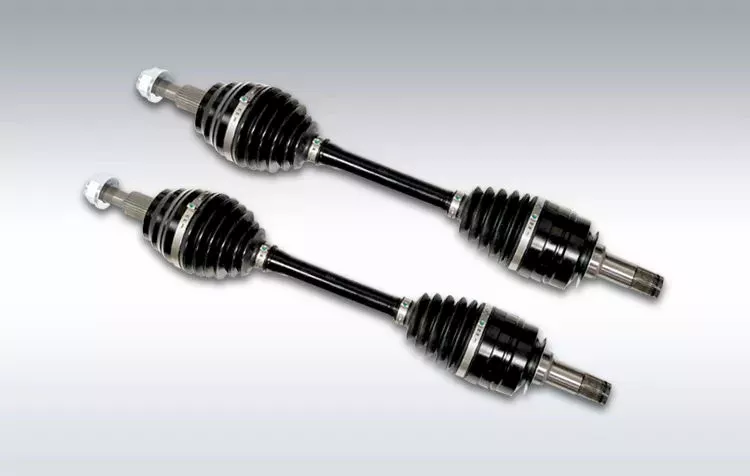
Are there any limitations or disadvantages associated with PTO drive shaft systems?
While PTO (Power Take-Off) drive shaft systems offer numerous advantages, there are also some limitations and disadvantages associated with their use. It’s important to consider these factors when deciding whether to implement a PTO drive shaft system. The limitations and disadvantages include:
1. Safety Risks:
PTO drive shaft systems can pose safety risks if not used and maintained properly. The rotating drive shaft, exposed splines, and universal joints can present hazards to operators and bystanders if they come into contact with them while in operation. Entanglement or entrapment of clothing, hair, or body parts in the rotating components can result in severe injuries. It is crucial to follow safety guidelines, use appropriate shielding, and implement safety devices to mitigate these risks.
2. Maintenance and Lubrication:
PTO drive shaft systems require regular maintenance and lubrication to ensure optimal performance and longevity. The joints, splines, and bearings need to be inspected, cleaned, and lubricated as recommended by the manufacturer. Failure to perform routine maintenance can lead to premature wear, increased friction, and eventual component failure, resulting in unexpected downtime and costly repairs.
3. Misalignment and Vibrations:
PTO drive shaft systems can experience misalignment and vibrations, especially when the driven equipment is not perfectly aligned with the power source. Misalignment places additional stress on the drive shaft and its components, leading to increased wear and reduced efficiency. Vibrations generated during operation can also contribute to fatigue and accelerated wear of the drive shaft and connected equipment.
4. Limited Operating Angles:
PTO drive shaft systems typically have limited operating angles due to the design constraints of universal joints. Exceeding the recommended operating angles can cause binding, increased wear, and reduced power transmission efficiency. This limitation may restrict the range of movement or flexibility when connecting PTO-driven equipment, requiring careful planning and alignment during installation.
5. Noise and Vibration:
PTO drive shaft systems can generate noise and vibrations during operation. The rotating components, especially at high speeds, can create audible noise and vibrations that may be transmitted to the operator, the equipment, and the surrounding environment. Excessive noise and vibrations can negatively impact the operator’s comfort, equipment performance, and may require additional measures to mitigate their effects.
6. Limited Power Transfer Capacity:
PTO drive shaft systems have limitations in terms of power transfer capacity. The torque and power that can be transmitted through the drive shaft depend on its design, material strength, and the selected components. In applications requiring high torque or power, alternative power transmission methods such as hydraulic systems or direct mechanical drives may be more suitable and capable of handling the required loads.
7. Compatibility Challenges:
Ensuring compatibility between PTO drive shafts and different equipment can sometimes be challenging. Equipment may have unique connection requirements, such as non-standard splines or flanges, which may require custom adapters or modifications. Achieving compatibility with older or specialized equipment can require additional effort and may not always be straightforward.
8. Cost:
Implementing a PTO drive shaft system can involve significant upfront costs, including the purchase of the drive shaft, compatible equipment, and any necessary adapters or couplings. Additionally, ongoing maintenance, lubrication, and potential repairs can contribute to the overall cost of ownership. It is important to consider the cost-benefit ratio and the specific needs of the application before investing in a PTO drive shaft system.
Despite these limitations and disadvantages, PTO drive shaft systems continue to be widely used due to their versatility, ease of use, and compatibility with a wide range of equipment. By addressing safety concerns, performing regular maintenance, and considering the specific requirements of the application, many of these limitations can be mitigated, allowing for reliable and efficient operation.

How do PTO drive shafts contribute to the efficiency of agricultural tasks like plowing?
PTO (Power Take-Off) drive shafts play a crucial role in enhancing the efficiency of agricultural tasks, including plowing. They provide a reliable and efficient power transmission mechanism between a tractor or power source and various implements, such as plows. Here’s how PTO drive shafts contribute to the efficiency of agricultural tasks like plowing:
1. Power Transfer:
PTO drive shafts enable the transfer of power from the tractor’s engine to the plow or other implements used for plowing. They transmit rotational power at a consistent speed from the power source to the implement, allowing it to perform the intended task efficiently. This direct power transfer eliminates the need for separate engines or motors on each implement, saving both time and resources.
2. Versatility:
PTO drive shafts are designed to be versatile and compatible with a wide range of agricultural implements. They come in standardized sizes and configurations, allowing different implements to be easily connected and disconnected. This versatility enables farmers to switch between various tasks, including plowing, without requiring significant equipment changes or modifications.
3. Time Efficiency:
By directly transmitting power from the tractor to the plow, PTO drive shafts help save time during agricultural tasks like plowing. They eliminate the need for manual or animal-driven labor, allowing for faster and more efficient plowing operations. This time efficiency increases overall productivity and enables farmers to cover larger areas in less time.
4. Consistent Power Output:
PTO drive shafts provide a consistent power output to the implement, ensuring uniform performance during plowing. They maintain a steady rotational speed, minimizing variations in power delivery and preventing uneven plowing or crop damage. This consistent power output helps achieve reliable and precise results, leading to improved efficiency in the plowing process.
5. Adjustable Speed and Depth:
Many PTO drive shafts offer adjustable rotational speeds, allowing farmers to control the plowing speed according to the specific soil conditions and requirements. This adjustability enables farmers to optimize the plowing process, ensuring efficient soil turnover and seedbed preparation. Additionally, some plows incorporate mechanisms for adjusting the plowing depth, further enhancing flexibility and efficiency.
6. Reduced Operator Fatigue:
The use of PTO drive shafts in plowing reduces the physical strain on operators. Instead of manually exerting force to plow the field, operators can rely on the power transmitted through the drive shaft. This reduces fatigue, allowing operators to work for longer durations without experiencing excessive exhaustion. Reduced operator fatigue contributes to increased productivity and overall efficiency in agricultural tasks.
7. Integration with Tractor Controls:
Modern PTO drive shafts often integrate with the tractor’s control system. This integration enables convenient and precise control of the PTO engagement and disengagement, rotational speed, and other parameters. Such integration enhances the ease of operation, minimizes errors, and improves overall efficiency during plowing and other agricultural tasks.
8. Maintenance and Serviceability:
PTO drive shafts are typically designed for ease of maintenance and serviceability. They often feature accessible lubrication points, inspection ports, and replaceable components, making it easier to keep them in good working condition. Regular maintenance ensures optimal performance, reduces the risk of unexpected breakdowns, and maximizes the efficiency of plowing operations.
In summary, PTO drive shafts significantly contribute to the efficiency of agricultural tasks like plowing. They enable direct and consistent power transfer, offer versatility in implement compatibility, save time, provide adjustable speed and depth control, reduce operator fatigue, integrate with tractor controls, and facilitate maintenance. By leveraging the capabilities of PTO drive shafts, farmers can enhance productivity, streamline operations, and achieve efficient plowing results.
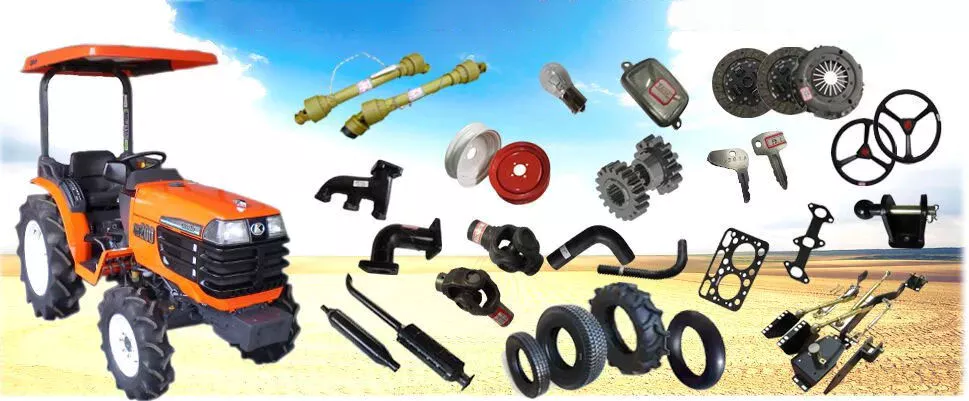
What factors should be considered when selecting the right PTO drive shaft for an application?
When selecting the right PTO (Power Take-Off) drive shaft for an application, several important factors should be considered to ensure optimal performance, safety, and compatibility. Here’s a detailed explanation of the key factors to consider:
1. Power and Torque Requirements:
The power and torque requirements of the application are crucial considerations. It’s essential to determine the maximum power and torque output of the primary power source (e.g., engine, transmission) and match it with the drive shaft’s capacity. Selecting a drive shaft that can handle the required power and torque levels ensures efficient power transmission and prevents overloading or damage to the drive shaft and connected equipment.
2. Speed and RPM Range:
The speed and RPM (Rotations Per Minute) range of the equipment and the primary power source should be taken into account. The drive shaft’s design should be capable of accommodating the desired speed range while maintaining smooth power transmission. It is important to select a drive shaft that can handle the intended operating speeds without excessive vibration, binding, or loss of power.
3. Equipment Size and Configuration:
The size and configuration of the equipment or implement being powered by the PTO drive shaft are crucial factors. The drive shaft’s length should be adjustable or chosen appropriately to ensure proper alignment between the primary power source and the implement input shaft. Additionally, consider any space limitations or clearance requirements within the equipment that may affect the choice of drive shaft configuration.
4. PTO Shaft Connection Type:
The type of connection required between the PTO drive shaft and the primary power source and implement is a significant consideration. Common connection types include splined connections, keyway connections, and quick-detach mechanisms. It is essential to ensure compatibility between the drive shaft’s connection type and the corresponding connections on the power source and implement to achieve a secure and reliable attachment.
5. Safety Features:
Safety features are crucial when selecting a PTO drive shaft. Shear pins, clutches, or other overload protection mechanisms should be considered to prevent damage to the drive shaft and associated equipment in the event of a sudden increase in torque or speed. These safety features help protect against accidents and reduce the risk of injury to operators and bystanders.
6. Environmental Conditions:
The environmental conditions in which the drive shaft will be operating should be taken into account. Consider factors such as temperature extremes, moisture, dust, or corrosive environments. It may be necessary to select a drive shaft with appropriate sealing, coating, or material options to ensure reliable performance and durability in the given conditions.
7. Maintenance and Serviceability:
Consider the accessibility and ease of maintenance for the chosen drive shaft. Ensure that routine maintenance tasks such as lubrication, inspection, and potential repairs can be performed conveniently. Easy serviceability helps minimize downtime and ensures the longevity of the drive shaft.
8. Compliance with Standards and Regulations:
Ensure that the selected PTO drive shaft complies with relevant industry standards and safety regulations. This includes standards for power transmission components, such as ISO 500-1 for PTO drive shafts. Compliance with these standards ensures that the drive shaft meets necessary quality, safety, and performance requirements.
By considering factors such as power and torque requirements, speed range, equipment size and configuration, PTO shaft connection type, safety features, environmental conditions, maintenance and serviceability, and compliance with standards and regulations, one can select the right PTO drive shaft that best suits the specific application’s needs. Proper selection ensures efficient power transmission, safety, and long-term reliability of the equipment.


editor by CX 2024-04-26